"Fallout: New Vegas" Game Review
Mojave majesty.
Anyone who can get shot in the head and walk away is one lucky SOB.
New Vegas is a game I was mixed on when it was released in 2010. Having had my expectations of what constitutes “Fallout” set by the divisive third entry, I chafed hard against the slow pace, the invisible walls that felt omnipresent, and the decidedly shoddy technical state the game launched in that stopped my progress dead for weeks at a time while waiting for patches.
Since then, I’ve matured a lot as a player (and hopefully as a person but I’m less sure there). After spending a lot of time exploring the RPG genre, both classics (including the first two Fallout titles) and contemporary gems, I’ve grown a little out of touch with the perspective that defined my first time playing the game. Up until recently I’ve regarded F:NV as an overrated nostalgia-title propped up by people who haven’t played better and more interesting games. Upon replaying it, I realize this was uncharitable, and I’ve developed a lot more of an appreciation for what Obsidian accomplished here.
In contrast to the very “Hollywood” introductions of the Bethesda titles, New Vegas starts quiet, understated. You’re given an easily understandable motivation that isn’t particularly urgent in nature, and you’re set free to wander the Mojave. The game world isn’t huge, and the invisible walls are still frustrating at times, but it feels cohesive and well realized. Every location on the map, even the most obscure, has some purpose, even if it’s just a small bit of environmental storytelling to ground you into the setting. The characters and factions are nuanced, flawed, and varied, and the choices you’re given are rarely easy or black and white.
What really sets New Vegas apart is that it understands the mythical appeal of the drifter, to be another struggling soul making their own way in the wastes. It understands that a wasteland messiah is not interesting. It understands that the danger of the setting is undercut by hours of vapid settlement building and radiant questing. It understands that shooting someone in the face who shot you in the face is a better starting point than lofty concepts of family and duty that this game isn’t equipped to explore meaningfully. As you explore the Mojave, you are free to do what makes sense to you, to help who you want to help, to make the mistakes you want to make, and it rarely feels at odds with the forced narrative urgency that is so present in its sibling titles.
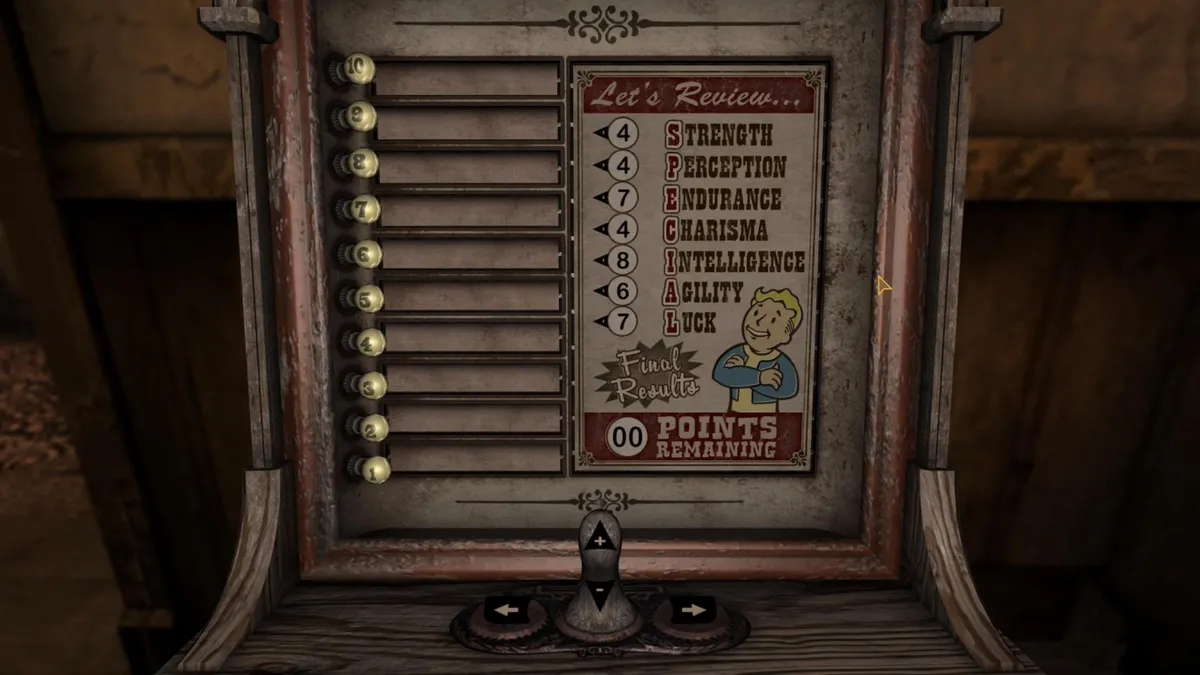
Despite my praise, this experience is far from perfect. Combat is floaty and awkward, even for its time. The limitations placed on your attributes at character creation are rarely meaningful with how potent skills are and the constant availability of buffs. Ceasar’s Legion, a faction rife with potential for nuance and moral ambiguity, quickly devolves into a punching bag that is neither the omnipresent threat it is made out to be, nor an interesting path that is even close to as developed as the others. I can’t help but wonder what this game could have been had it been given more time or resources, or if it wasn’t forced into a gameplay framework that might be effective for Bethesda’s aims but quickly begins to collapse when anything of narrative substance is placed upon it. In quests heavy with scripting and choices (the White Glove Society quest comes to mind), you can feel the seams of the game begin to come apart as seemingly contradictory paths collapse on each other and overlap when they shouldn’t, and it all feels a whole lot more awkward than it should.
Ultimately, I think Fallout: New Vegas overcomes its limitations and is an excellent game. I still think there are better written, more interesting titles that are overlooked in the face of its success, but it is a triumph and well worth the time of RPG players both new and old.
4.5/5
Like my content? Subscribe via email or RSS feed.
Feel free to contact me directly at heathenheartedblog@protonmail.com